Table of Contents
Mastering accessorizing style tips is one of the most transformative skills in fashion. The right accessories can take a simple outfit from ordinary to extraordinary, express your personality without saying a word, and give you the confidence that comes from knowing you look put together. In this guide, we share ten expert-approved tips that will help you accessorize like a stylist, regardless of your budget or wardrobe size.
What Is the Art of Accessorizing
Accessorizing is the practice of using supplementary items such as jewelry, bags, scarves, belts, hats, and sunglasses to enhance and complete an outfit. It is not about wearing as many pieces as possible but rather about choosing the right items that work together harmoniously. Great accessorizing creates a focal point, adds visual interest, and communicates your unique style identity.
The most stylish people understand that accessories are tools for self-expression. A bold necklace can signal confidence, a vintage watch can convey sophistication, and a colorful scarf can express creativity. The key is intentionality. Every piece you add should serve a purpose, whether aesthetic, functional, or emotional.
Tips 1-3: Foundation Principles of Accessorizing Style Tips
Tip 1: Start with a Focal Point
Every well-accessorized outfit has a focal point, one piece that draws the eye and anchors the entire look. This could be a statement necklace, an oversized watch, a striking pair of earrings, or a beautifully structured handbag. Once you have chosen your focal point, keep the remaining accessories more subdued to avoid visual competition.
Tip 2: Less Is Often More
One of the most common accessorizing mistakes is overdoing it. Wearing a bold necklace, large earrings, multiple bracelets, and a statement belt simultaneously creates visual chaos. The Coco Chanel approach of removing one accessory before leaving the house remains excellent advice. Edit your choices until each piece has room to breathe and be appreciated.
Tip 3: Invest in Versatile Basics
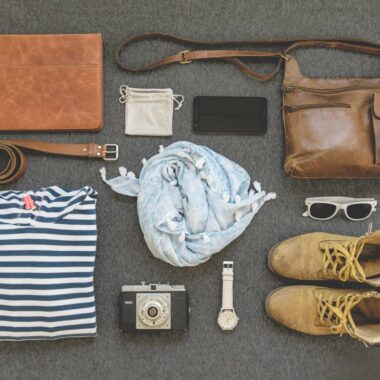
Build your accessory collection around versatile pieces that work with multiple outfits. Simple gold or silver studs, a quality leather belt, a classic watch, and a neutral-toned handbag form a foundation that you can build upon with trendier seasonal additions. These basics ensure you always have reliable options regardless of what you are wearing.
Tips 4-6: Color and Texture Mastery
Tip 4: Use Accessories to Introduce Color
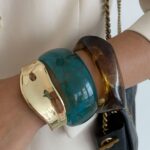
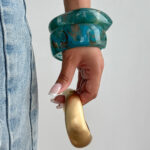
If your wardrobe leans toward neutral tones, accessories are the perfect vehicle for introducing color. A turquoise bracelet, a red handbag, or emerald earrings can instantly enliven a monochrome outfit. This approach lets you experiment with bold hues without committing to an entire colorful garment.
Tip 5: Mix Textures Thoughtfully
Combining different textures creates depth and visual richness. Pair a smooth leather bag with a chunky knit scarf, or contrast delicate chain jewelry with a structured woven belt. The interplay of matte and shiny, rough and smooth, keeps the eye engaged and adds sophistication to your overall look.
Tip 6: Consider Your Color Temperature
Understanding whether warm or cool tones suit you best can guide your metal and gemstone choices. Warm skin undertones typically look radiant in gold, brass, copper, and earthy gemstones. Cool undertones are flattered by silver, platinum, white gold, and jewel-toned stones. Neutral undertones have the luxury of wearing either family beautifully.
Tips 7-8: Proportions and Occasion Dressing
Tip 7: Balance Proportions
The scale of your accessories should relate to your body frame and the proportions of your clothing. Petite individuals often look best in delicate, finely scaled pieces, while taller or curvier frames can carry larger, bolder accessories with ease. Similarly, pair chunky accessories with relaxed clothing and refined pieces with tailored outfits for the most harmonious result.
Tip 8: Dress for the Occasion
Context matters enormously when accessorizing. A job interview calls for understated, professional choices. A festival invites bold experimentation. A romantic dinner benefits from elegant, feminine touches. Always consider where you are going and who your audience is before finalizing your accessory selections. These practical accessorizing style tips will help you navigate any social situation with confidence.
Tips 9-10: Confidence and Personal Signature
Tip 9: Develop a Signature Piece
Many of the most stylish individuals are known for a signature accessory, a specific type of jewelry, a distinctive hat, or a beloved vintage piece they wear consistently. Having a signature creates recognition and gives your personal brand a memorable anchor. It simplifies daily outfit decisions while ensuring you always feel authentically yourself.
Tip 10: Wear Your Accessories with Confidence
The most important accessory you own is your confidence. A bold bracelet or dramatic scarf only works if you wear it with conviction. If something feels uncomfortable or out of character, it will show. Choose pieces that make you feel empowered and authentic, and your personal style will radiate from within.
Frequently Asked Questions
How do I accessorize a simple outfit?
Start with one statement piece such as a bold necklace or eye-catching earrings. Add a quality watch and a handbag in a complementary tone. This three-piece approach transforms even the simplest outfit into something polished and intentional without any risk of overdoing it.
Can I mix metals when accessorizing?
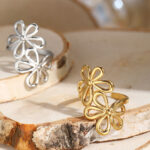
Yes, mixing metals is a modern styling technique that adds visual interest. The key is to do it deliberately. Wear at least two pieces of each metal so the combination looks intentional rather than accidental.
What accessories are worth investing in?
Prioritize quality in items you use daily, such as a leather handbag, a reliable watch, and simple fine jewelry like studs or a pendant necklace. These foundational pieces see the most wear and benefit the most from superior materials and craftsmanship.